
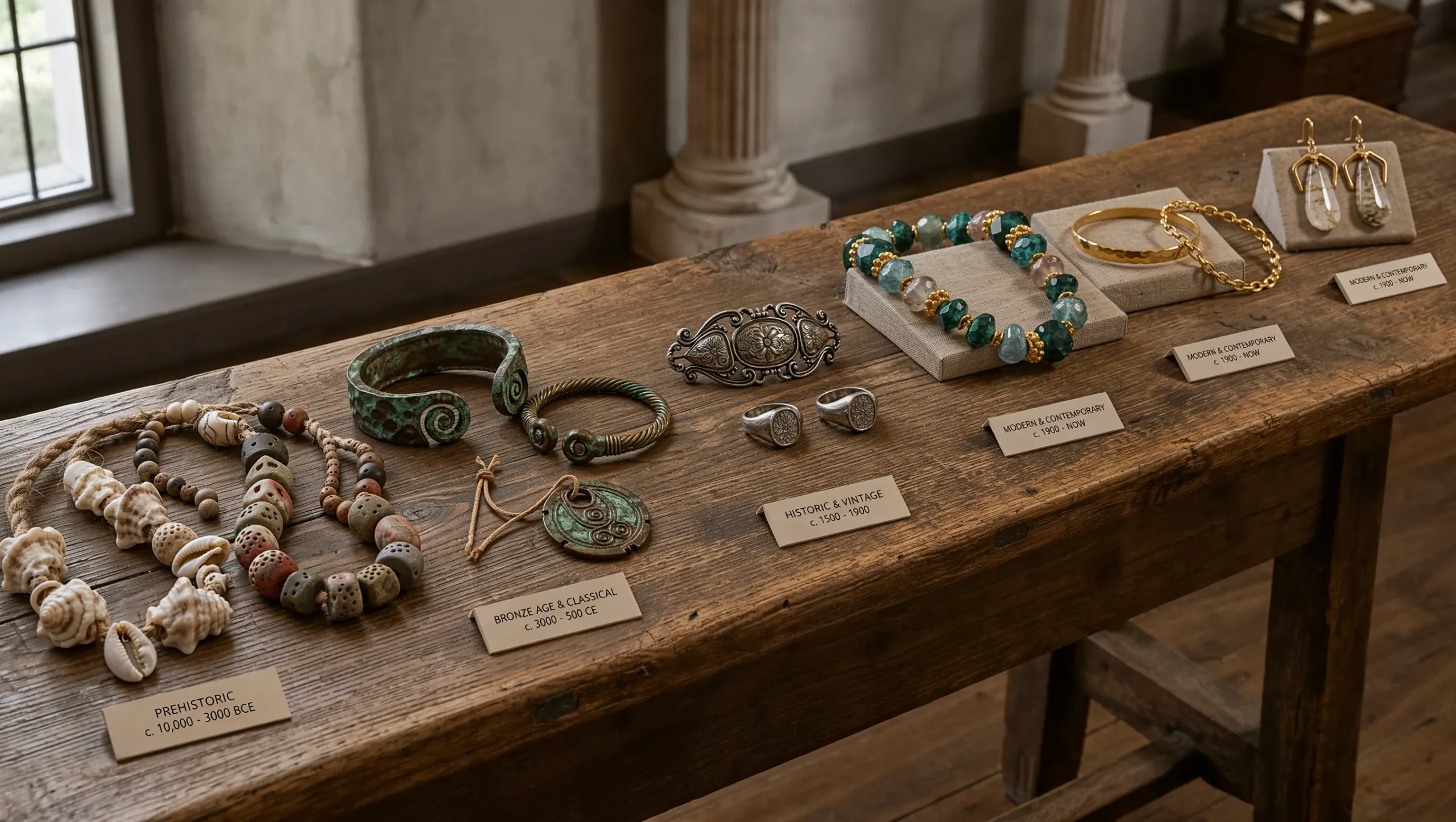
Jewelry has always been more than a decorative accessory. From simple natural materials to carefully crafted precious metals, handmade pieces have reflected human creativity, cultural traditions, and personal identity throughout history. Each design carries a story about the people who made it and the generations who wore it.
Exploring Handmade Jewelry History reveals how traditional craftsmanship developed alongside changing cultures, technologies, and artistic influences. Although materials and designs have evolved over thousands of years, the personal value of handmade jewelry remains an important part of its appeal.
The Origins of Handmade Jewelry
The story of handmade jewelry began long before modern workshops and professional jewelry designers existed. Early communities used materials available in their surroundings to create ornaments for everyday wear, special ceremonies, and personal protection. These early creations established the foundation for jewelry-making traditions that continue today.
As societies developed, jewelry gradually became connected to cultural beliefs, social positions, and artistic identities. According to Max Hollein, Director of The Metropolitan Museum of Art, “Jewelry is one of the oldest modes of creative expression,predating even cave painting by tens of thousands of years,and the urge to adorn ourselves is now nearly universal.” This highlights how deeply jewelry is connected to human history.
Early Uses of Natural Materials
The earliest jewelry makers worked with natural resources such as shells, bones, stones, teeth, and wood. They shaped, polished, pierced, and arranged these materials into necklaces, bracelets, and other ornaments. Their designs were relatively simple but demonstrated impressive creativity with limited tools.
Over time, people discovered new ways to combine different materials and create more detailed decorations. Natural pigments, colorful stones, and polished shells also helped introduce greater variety into early jewelry designs.
Cultural Meaning of Ancient Jewelry
Ancient jewelry often represented more than beauty. Different communities used ornaments to communicate social status, spiritual beliefs, family connections, and personal achievements. Some pieces were also believed to provide protection against negative forces or bring good fortune.
Jewelry played an important role in weddings, religious ceremonies, and burial traditions. These meanings made certain ornaments valuable beyond their physical materials, turning them into meaningful objects that connected individuals with their communities.
Traditional Jewelry Across Civilizations
Different civilizations developed distinctive jewelry-making styles based on their available resources and cultural practices. Ancient Egyptians, for example, used gold, colorful stones, and glazed materials to create elaborate necklaces and bracelets. Meanwhile, Mesopotamian artisans combined gold, lapis lazuli, and carnelian in decorative pieces.
Greek and Roman jewelry introduced detailed metalwork, gemstone settings, and intricate decorative patterns. These traditions demonstrate how handmade jewelry developed differently across regions while maintaining its importance in everyday and ceremonial life.
How Handmade Jewelry Evolved Over Time
As trade networks expanded and metalworking knowledge improved, jewelry-making became more sophisticated. Artisans gained access to new materials, techniques, and design influences, allowing them to experiment with increasingly detailed creations. These developments gradually transformed handmade jewelry into a more diverse and specialized craft.
Changes in Materials and Designs
The introduction of gold, silver, bronze, and other metals expanded the possibilities of jewelry design. Artisans learned to combine these materials with pearls, gemstones, glass, and decorative elements to produce more complex pieces. Design preferences also changed across historical periods. Some communities favored elaborate ornaments, while others preferred simpler shapes and practical accessories. These differences helped shape the wide variety of handmade jewelry styles seen throughout history.
Traditional Craft Techniques Through Generations
Traditional Craft Techniques have played an essential role in preserving jewelry-making knowledge. Methods such as engraving, metal casting, wire wrapping, beadwork, and filigree have been passed down through generations of skilled artisans.
Learning these techniques often requires patience, practice, and attention to detail. Experienced craftspeople teach younger generations how to handle materials, create balanced designs, and maintain the quality of each finished piece. This knowledge keeps traditional craftsmanship alive even as modern production methods become more common.
Influence of Trade and Cultural Exchange
Trade allowed artisans to discover materials and artistic ideas from distant regions. Gemstones, precious metals, and decorative techniques traveled between communities, creating opportunities for new design combinations.
Cultural exchange also encouraged jewelry makers to adapt foreign influences to their local traditions. As a result, many historical designs reflect a combination of different artistic styles rather than a single cultural influence.
Handmade Jewelry in the Modern Era
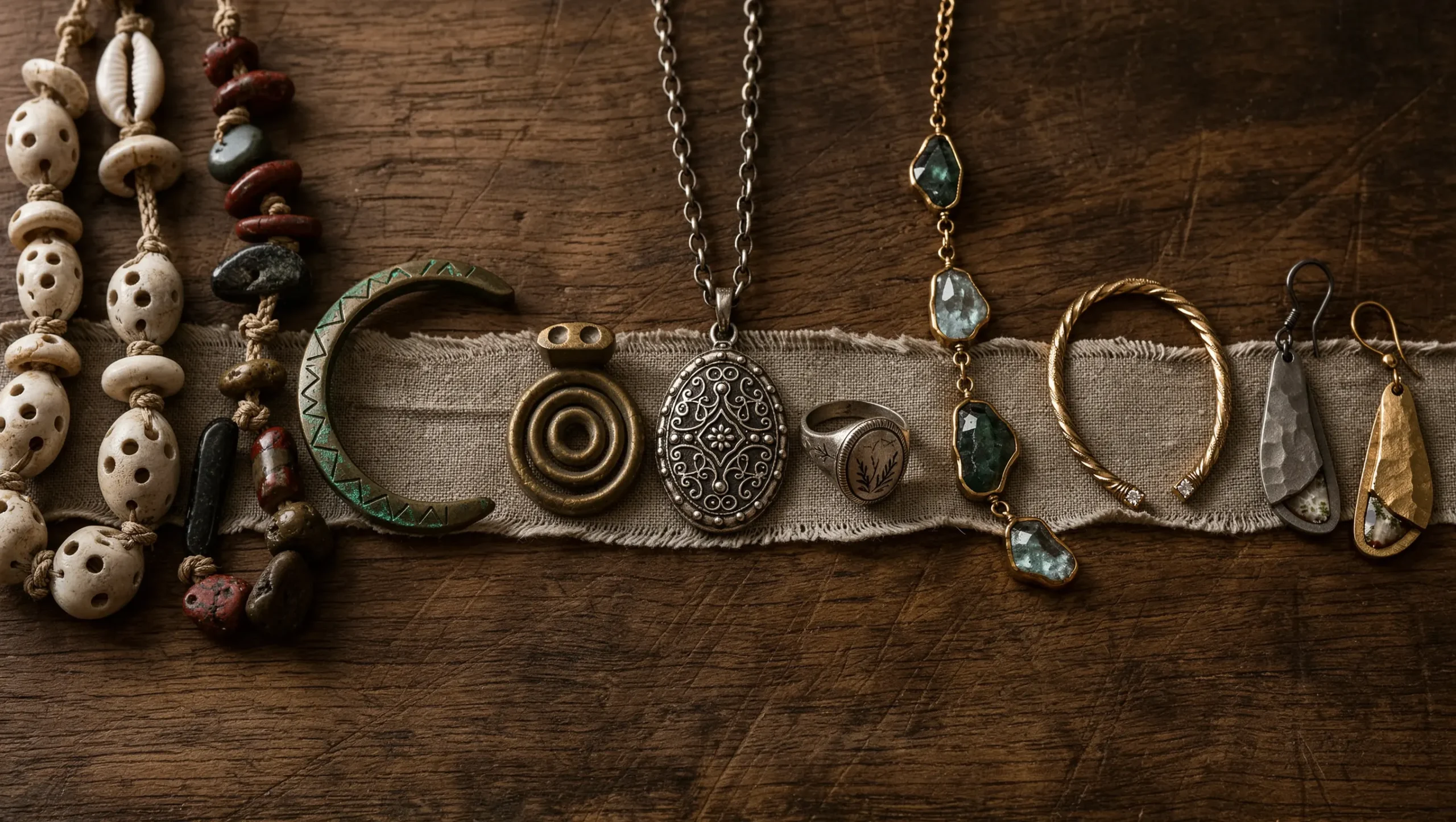
Today, handmade jewelry continues to attract people who appreciate creativity, craftsmanship, and individuality. Modern designers combine traditional skills with contemporary aesthetics, creating pieces that connect historical influences with current fashion preferences.
Revival of Traditional Jewelry Making
Interest in handmade products has encouraged many artisans to preserve traditional jewelry-making methods. Small workshops and independent designers often focus on techniques that highlight the uniqueness of handcrafted pieces. This renewed appreciation also supports cultural heritage by keeping regional designs and specialized skills relevant.
Modern Tools and Creative Approaches
Technology has introduced new possibilities for handmade jewelry production. Digital design software, precision cutting equipment, and modern soldering tools help artisans develop more detailed and consistent designs. However, these tools do not eliminate the importance of manual craftsmanship.
Handmade Jewelry as Personal Expression
People have worn jewelry across generations, but modern consumers increasingly appreciate pieces that reflect their personal stories and preferences. Handmade accessories can represent meaningful memories, cultural backgrounds, relationships, or individual artistic tastes.
As Melanie Holcomb, Curator of Medieval Art and The Cloisters at The Metropolitan Museum of Art, explains, “To fully understand the power of jewelry, it is not enough to look at it as miniature sculpture.” Her perspective highlights that jewelry also gains meaning through its relationship with the wearer and the cultural context surrounding it.
Explore the Timeless Story of Handmade Jewelry
The journey of handmade jewelry reflects thousands of years of human creativity, cultural exchange, and evolving craftsmanship. From natural ornaments made by early communities to contemporary handcrafted designs, each period has contributed something valuable to this lasting tradition. Discover handmade jewelry that celebrates traditional skills while embracing modern creativity.