
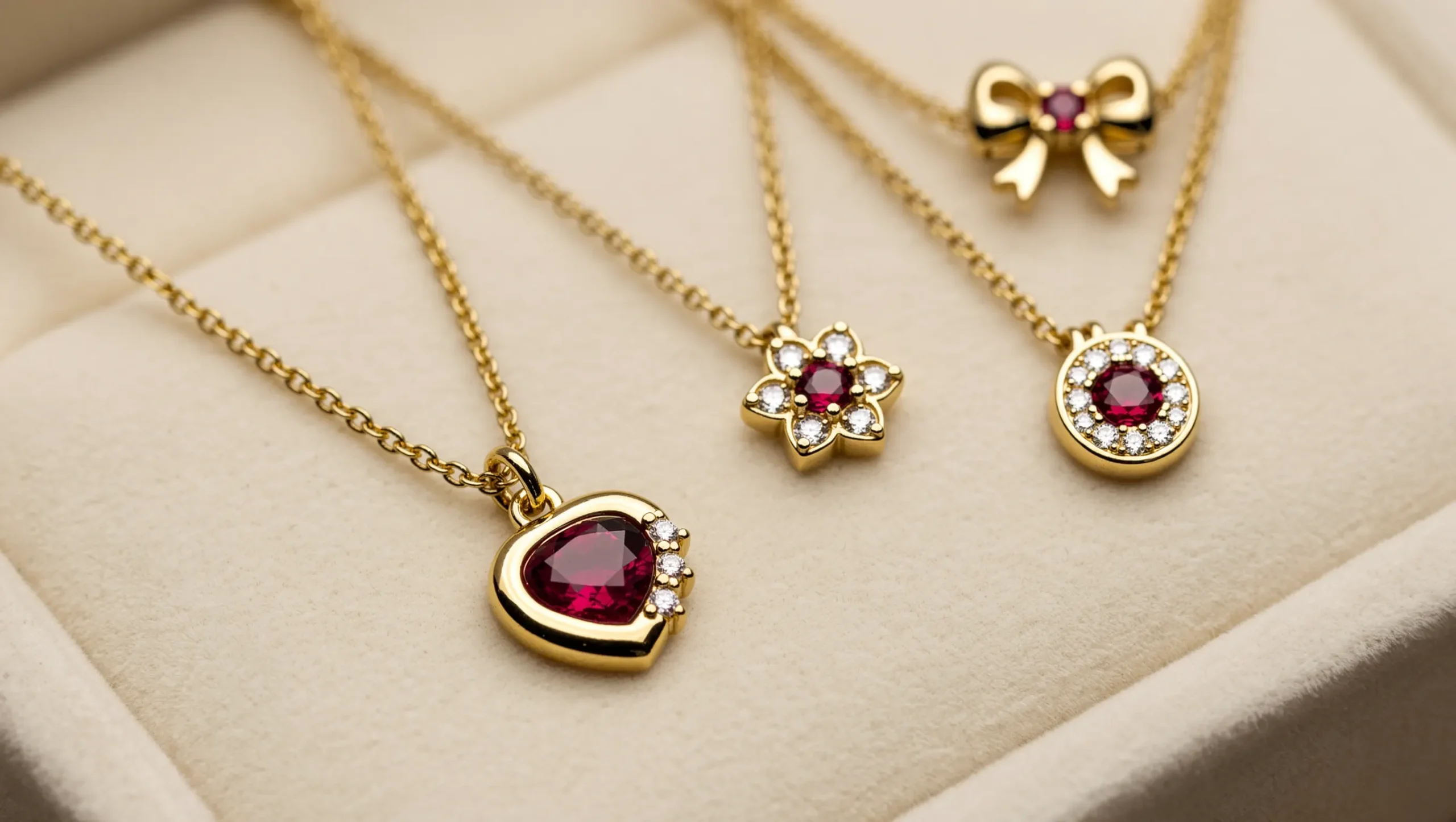
A beautiful pendant can be a meaningful gift for a child, especially when it features colorful gemstones and thoughtful craftsmanship. However, choosing children’s jewelry involves more than appearance. Have you considered whether the pendant is comfortable, lightweight, and suitable for the child’s age? These details can make a significant difference when selecting a piece.
Ruby Diamond Pendants combine the rich red color of rubies with the brilliant sparkle of diamonds, creating an elegant design for birthdays, family celebrations, and other special occasions. While these gemstones offer timeless appeal, parents should prioritize appropriate sizing, secure settings, and safe wearing habits before making a purchase.
Why Children’s Gemstone Pendants Need Careful Selection
Children have different jewelry needs from adults because their bodies are smaller and their daily activities often involve frequent movement. A pendant that looks attractive in a jewelry display may feel uncomfortable or become inconvenient when worn.
Parents should consider the pendant’s weight, shape, materials, and construction before choosing a design. Paying attention to these details helps make jewelry selection more thoughtful while reducing avoidable risks.
Choosing Comfortable Pendant Sizes
Pendant size should be proportionate to the child’s age and body size. Smaller designs are generally more practical than oversized pieces because they are lightweight and less likely to interfere with movement. Avoid pendants that swing excessively or place unnecessary pressure on the neck.
Checking Secure Gemstone Settings
A gemstone should sit firmly within its setting to reduce the possibility of becoming loose or falling out. Examine the surrounding metal, prongs, and stone placement before purchasing. Smooth, protective settings are also preferable because exposed edges can catch on clothing.
Avoiding Heavy and Sharp Designs
Heavy pendants can create unnecessary pressure, while pointed decorative elements may scratch the skin or catch on fabric. Choose rounded edges, simple shapes, and lightweight construction instead of elaborate designs with multiple protruding details.
How I Selected a Suitable Pendant
Choosing a suitable pendant requires balancing visual appeal with practical considerations. Rather than focusing exclusively on gemstone color or sparkle, consider the materials, construction, and overall proportions. Would the design remain comfortable during occasional wear?
Another important consideration is Children’s Jewelry Safety, particularly when selecting necklaces for younger children. Pediatrician Natasha Burgert, MD, FAAP, explains, “The risk is two-fold , strangulation and choking.” This warning highlights why parents should carefully consider age suitability, supervision, and situations in which necklaces should be removed.
Comparing Ruby and Diamond Styles
Rubies offer a distinctive red color that creates a warm, eye-catching appearance, while diamonds provide brilliant sparkle and a timeless finish. A ruby centerpiece surrounded by small diamonds creates an elegant combination. Alternatively, a single gemstone offers a simpler appearance for parents who prefer understated jewelry.
Checking Clasps and Chain Connections
Inspect the clasp, connecting rings, and chain links for weak points or visible damage. Loose connections can cause a pendant to detach unexpectedly. However, even a well-constructed clasp cannot eliminate necklace-related risks, making appropriate supervision essential.
Choosing Lightweight Jewelry Materials
Gold and other jewelry metals come in different finishes, weights, and compositions. Look for a well-finished piece with a lightweight chain and compact pendant. Parents should also consider potential metal sensitivities and check the material composition before purchasing.
How the Right Pendant Improves Comfort
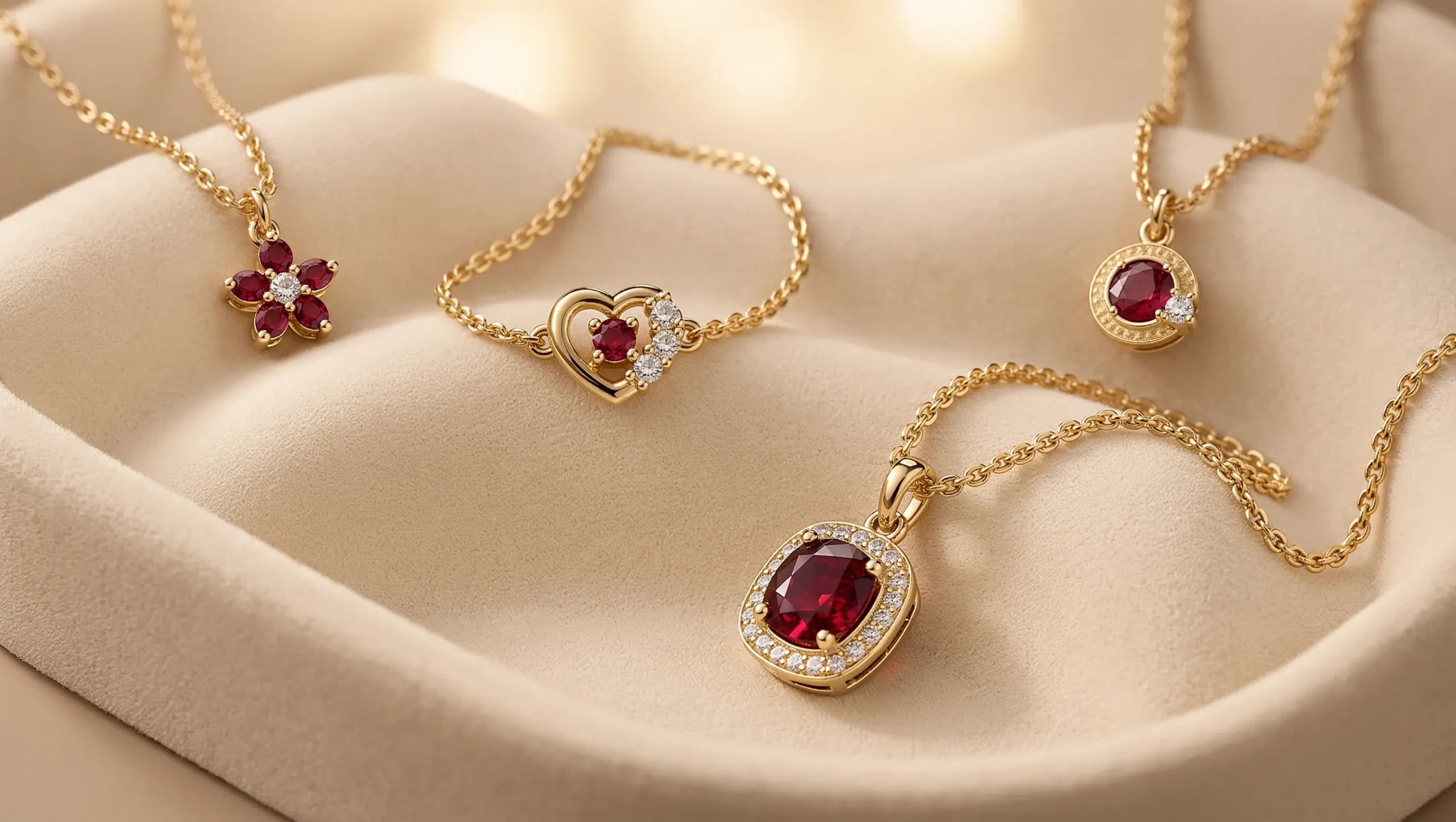
A thoughtfully selected pendant can make occasional jewelry wear more enjoyable when a child is old enough to wear one safely. Appropriate proportions, smooth surfaces, and quality craftsmanship all contribute to a more comfortable experience.
Pediatrician Sue Hubbard, MD, has emphasized the importance of avoiding necklaces for young children, stating, “Whenever a baby comes into my office wearing a necklace, I discuss the possibility, even if remote, of the child suffocating if the necklace got caught or twisted around the infant’s neck.” Her advice reinforces the importance of considering safety before appearance.
Making Jewelry Comfortable to Wear
Choose smooth, lightweight designs without rough edges or bulky decorative elements. Check that the jewelry does not irritate the skin or interfere with movement. If a child experiences discomfort, remove the pendant immediately.
Keeping Gemstones Secure During Activities
Children should remove necklaces before playing sports, climbing, swimming, or using playground equipment. Chains and pendants can become caught on surrounding objects, creating avoidable hazards. Store jewelry safely when it is not being worn and inspect its condition regularly.
Choosing Designs for Special Occasions
Simple ruby and diamond pendants can complement formal outfits for birthdays, weddings, and family celebrations. Instead of selecting an elaborate everyday accessory, consider a modest design intended for occasional supervised wear. This approach preserves its sentimental value without encouraging unnecessary daily use.
Choose a Beautiful Pendant for Your Child
A beautiful gemstone pendant can become a treasured keepsake, but its value goes beyond the sparkle of rubies and diamonds. The right choice should reflect thoughtful craftsmanship, suitable proportions, and careful attention to the child’s comfort and safety. For infants and young children, avoiding necklaces is the safest option.