
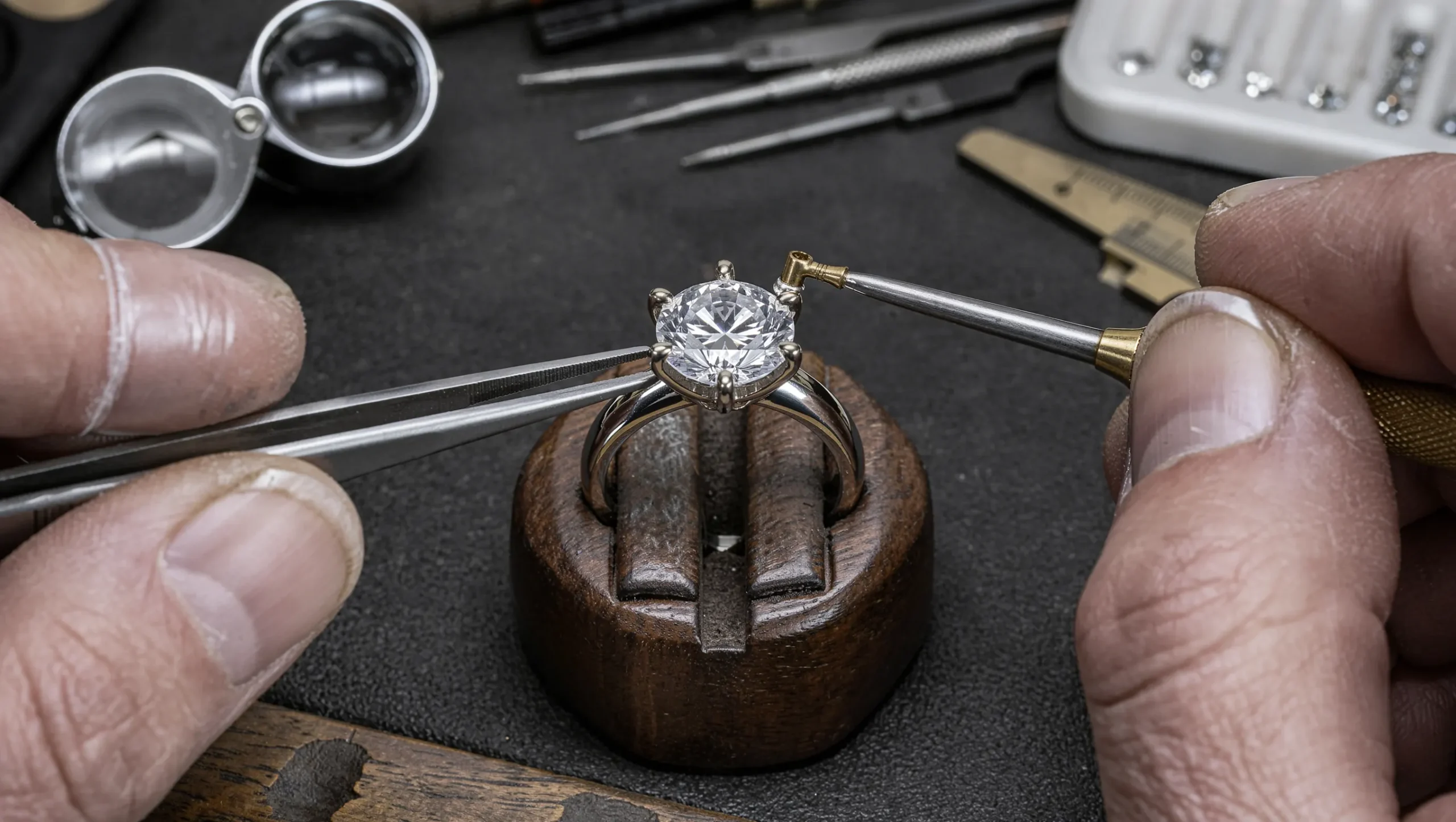
A diamond ring can look perfectly beautiful while hiding a small problem that puts its gemstone at risk. Have you noticed a prong catching on clothing, a diamond appearing slightly uneven, or a setting that no longer feels secure? These subtle signs may indicate that the metal holding the stone needs attention.
Diamond Prong Repair helps restore the metal supports that keep a diamond securely positioned in its setting. Whether the issue involves worn tips, bent prongs, or visible gaps around the gemstone, understanding the damage and choosing the right repair can help prevent accidental stone loss.
Why Diamond Prongs Become Loose
Diamond prongs are small metal claws designed to hold a gemstone securely in place. Although they provide essential support, repeated contact with everyday objects can gradually weaken their structure. Even a slight change in their shape may affect how firmly a diamond sits.
Understanding why prongs become loose can help jewelry owners recognize potential problems before they become more serious. Paying attention to everyday wear, visible gaps, and damaged metal makes it easier to identify when a ring needs professional attention.
Daily Wear That Weakens Prong Settings
Rings experience frequent contact with surfaces, clothing, and other objects throughout the day. Over time, this friction can gradually wear down the metal prongs. Activities such as cleaning, gardening, and exercising may also expose the setting to unnecessary pressure.
Gaps Between Prongs and Diamonds
A visible gap between a prong and its diamond may indicate that the metal has shifted or become worn. Sometimes, the gemstone may also move slightly within its setting. These warning signs suggest that the ring needs professional attention rather than continued everyday wear.
Impacts That Damage Prong Tips
Accidentally hitting a ring against a hard surface can bend or damage its prongs. Even when the diamond appears undamaged, the supporting metal may have shifted out of position. Repeated impacts can eventually weaken the setting and increase the risk of losing the stone.
How I Handled a Loose Diamond Prong
Discovering a loose prong can be concerning, especially when a ring contains a valuable or sentimental diamond. Instead of attempting to adjust the metal independently, stop wearing the ring and arrange a professional inspection. A careful assessment can help determine the extent of the damage.
Before choosing a repair method, consider the condition of the entire setting. Loose Stone Settings may involve worn prongs, damaged tips, or weakened connections, so the appropriate solution depends on the specific problem rather than appearance alone.
Inspecting the Diamond Setting
Start by examining the ring under good lighting. Look for uneven prongs, visible gaps, or changes in the diamond’s position. Avoid repeatedly touching or moving the gemstone to test its security, as this could make an existing problem worse.
Identifying Bent or Damaged Prongs
Bent, flattened, shortened, or broken prongs can indicate that the setting needs repair. Professional jewelers use magnification to examine the metal and determine whether the damage affects one prong or several supporting points.
Choosing Professional Repair Services
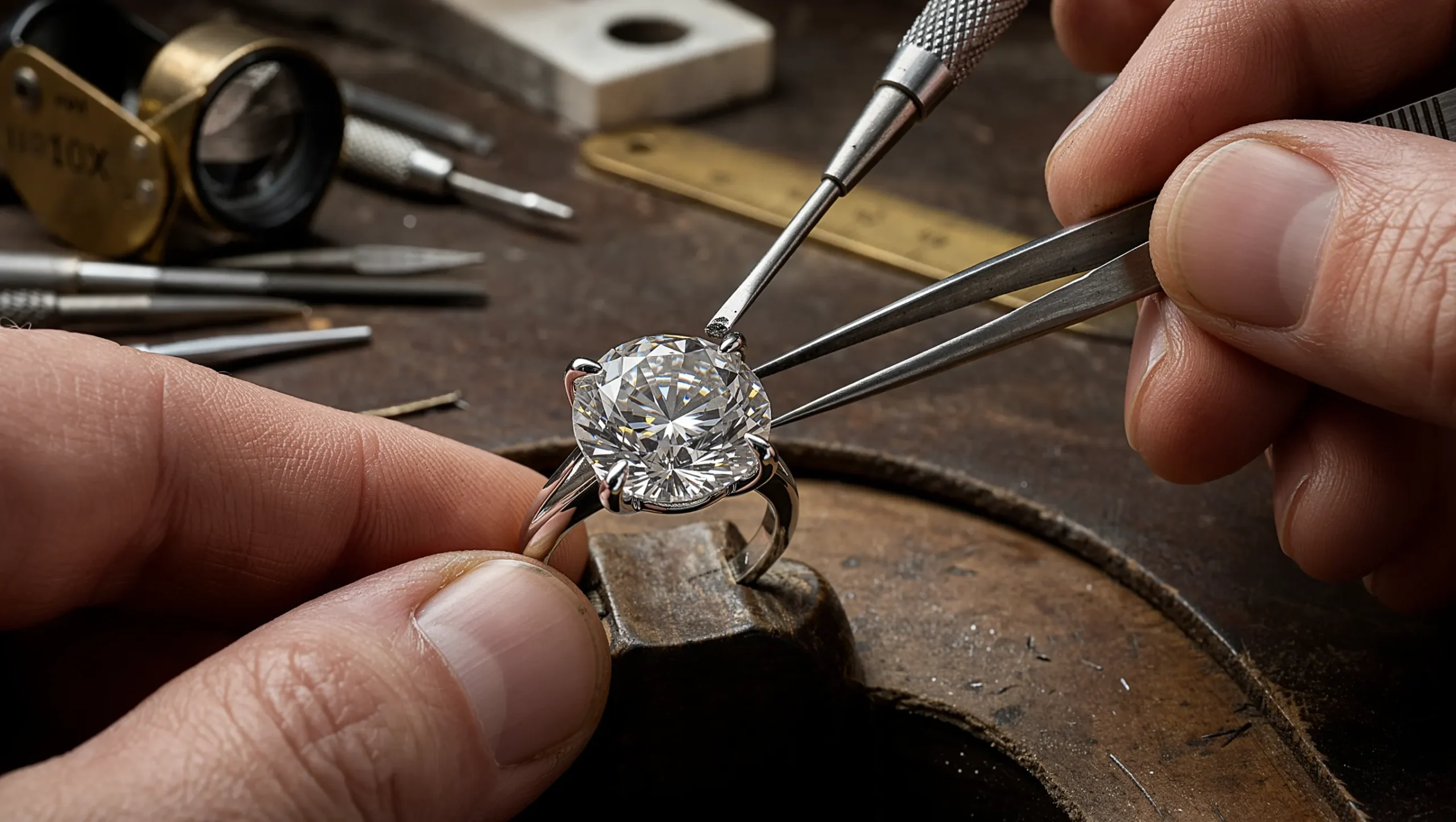
Choose an experienced jeweler who can assess the setting and recommend an appropriate repair. Depending on the damage, the work may involve tightening, adding metal to worn tips through re-tipping, or replacing damaged prongs. Ask for a repair estimate before approving the work.
How Proper Prong Repair Protects Diamonds
A properly repaired setting helps restore the metal support surrounding a diamond. However, the appropriate repair depends on the condition of the entire mounting, not simply the appearance of one damaged prong. Would a small adjustment be enough, or does the setting need more extensive work?
Professional repair also helps maintain the ring’s original appearance while reducing the possibility of future stone loss. According to Jewelers of America, worn prongs may need replacement, re-tipping, or a complete prong-head replacement, depending on the severity of the damage.
Keeping Diamonds Secure in Their Settings
Properly shaped and positioned prongs help hold a diamond firmly in place. During repair, the jeweler checks the surrounding metal and ensures that the prongs adequately cover the gemstone’s crown without applying unnecessary pressure.
Preventing Accidental Stone Loss
Timely repairs reduce the risk of a diamond falling out because of weakened or damaged supports. Regular inspections can also identify developing problems before the setting deteriorates further. Removing rings during strenuous activities provides additional protection.
Restoring Confidence When Wearing Rings
A secure setting makes it easier to enjoy wearing a diamond ring without constantly worrying about its condition. Once the repair is complete, ask the jeweler to check the gemstone’s stability and inspect the surrounding prongs before collecting the piece.
Protect Your Diamond With Timely Repairs
A loose diamond prong may seem like a minor jewelry problem, but ignoring it can put an entire gemstone at risk. Recognizing early warning signs, avoiding further wear, and choosing professional repair services can help preserve both the security and appearance of your ring.
Professional gemologist Neil Beaty explains the importance of addressing loose settings promptly, “When the stone moves in the setting, it causes the diamond to rub against the inside of the prongs. Diamonds are hard, gold is soft. This wears out the prongs from the inside out and the problem can get worse quickly.” His explanation reinforces why delaying repairs is not worth the risk.